- Langley Road, Brighton, MA
- 416-402-8274

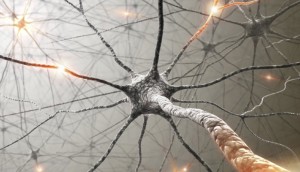
Stem Cells to Treat Trauma? … From Car Accidents to Military Encounters
Stem Cells to Treat Trauma? … From Car Accidents to Military Encounters
Trauma is the number one cause of death and disability in Americans under the age of 50. And, the most frequent reason for life-long disability from trauma is extremity injury. Extremity injury is commonly caused by car accidents, athletic injuries, gun shots, and other traumatic events. All of these injuries can leave patients with lasting damage to nerves and muscles in the limbs, which can result in permanent disability.
Extremity injury is also the most common battlefield trauma. The growing number of injuries caused by explosive devices has created more challenges in treatment and recovery. This has underlined the need for tissue regenerative options, as well as intensified interest in the possible role of stem cells for military medicine.
Stem cells have the ability to revolutionize the therapeutic approach and degree of recovery for soldiers, and others with traumatic extremity injuries. Stem cells have a unique ability to renew themselves indefinitely, while retaining the ability to differentiate into any cell type in the body.
This cellular versatility makes them an up-and-coming cell source for replacing and/or regenerating destroyed tissue. Nearly all tissues are of interest to the military due to the diverse nature of injuries associated with war trauma.
However, to properly fix complex injuries, the stem cells will need to be aided by biomaterials, which would act as artificial microenvironments and deliver stem cell regulatory signals in a precise and near-physiological fashion to support cellular attachment, proliferation and lineage-specific differentiation.
Stem cells can be used to tackle the many traumas suffered in war. For example, hearing loss, which is one of the most common sensory losses from blast trauma, can be addressed. Neural stem cells have shown similar characteristics to the inner ear hair cells, and an ability to renew some auditory function. This offers a potential tool for studying and identifying more suitable replacements. Another example is how spinal cord and peripheral nerve injuries may benefit from multiple approaches to neurogenesis with neural stem cells.
Brain injuries have been one of the hallmarks associated with the Iraq and Afghan wars. The current role of neural stem cells in dictating cognitive behavior is unclear, but they are a key component of neurogenesis and have been linked to post-traumatic stress disorder, stress-triggered depression and other common aspects of mental health.
Finally, skin is destroyed in almost every combat injury, with deep skin injuries creating large amounts of scar tissue. Luckily, the skin has a large reserve or surplus of stem cells that can be utilized to produce new epidermis or skin. The skin rebounds rather quickly and is undergoing continuous regeneration.
The majority of stem cell excitement has yet to be realized in the clinical setting. But the potential impact on regenerative medicine and connected applications make stem cells an area of great interest to military medicine.
Click Links Below for Information about the SafeTEC™ Consortium to Evaluate New Technologies:
Download HERE to see the List of 15+ Technology Projects, and $3 Million Investment, for SafeTEC.
http://www.onemillionsolutionsinhealth.org/collaborate/safetech/




Connect + Innovate
February 22, 2014 / 0 commentsWhat is Retinol? The Superhero Anti-Aging Ingredient
September 06, 2021 / 0 comments