- Langley Road, Brighton, MA
- 416-402-8274

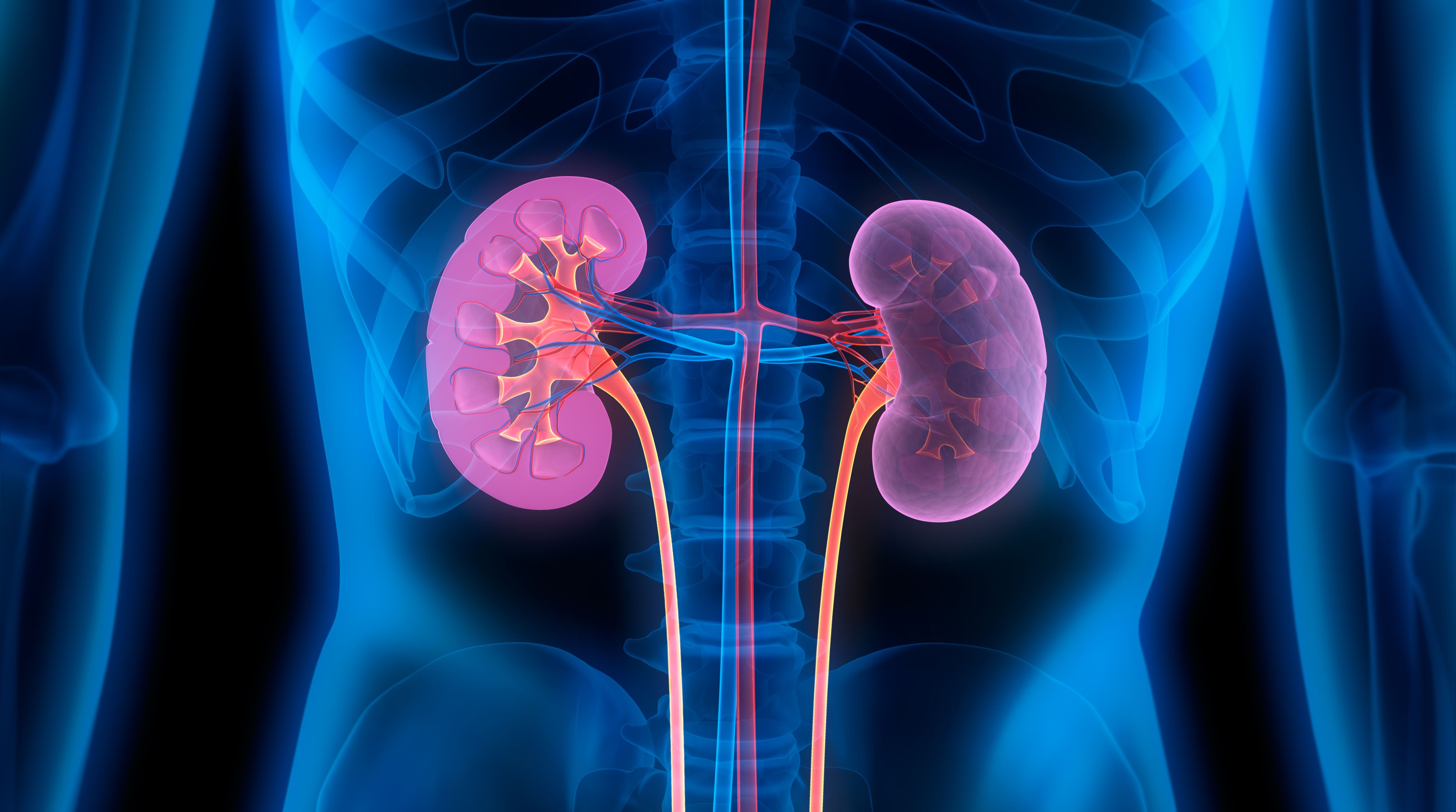
Need a kidney? Let’s grow one for you!
Need a kidney? Let’s grow one for you!
If a snail can grow back its head, a lizard its tail… why can’t a human grow back an organ with the help of regenerative medicine?
Why do we need regenerative medicine in the first place?
- Approximately 500,000 Americans benefit from a transplant each year*
- Approximately 719,000 knee replacement procedures are performed annually in the US**
- As of August 2010, there were approximately 108,000 people on the waiting list for donor organs … but many people unfortunately do not receive the required transplants and/or receive incompatible transplants*
Now, how can we actually solve these shortages?
Let’s use the analogy of a building under construction that uses a scaffold as it adds one floor on top of another.
The way we can build the organs and bones listed above is ‘bit by bit.’ This is achieved with the same concept as the construction industry where they use workers, scaffolds, construction material, but not necessarily in that order. Organ “construction” or “building” is essentially done in the same way (until we consider 3D printing!).
Cells: The “construction workers” who eventually end up living in the same building they are creating.
Scaffold: Provides structural support and shape to the building and provides a place for cell attachment and growth. Here, the scaffold is biodegradable and absorbs itself into the organ.
Cell signalling: Stimulation to the cells is required so cell signalling essentially is like a “supervisor” or a “manager” who stimulates the cells into growing into an organ. Just like payment to the construction sites can be as a check or cash, the call signalling or stimulation is through “proteins” or “mechanical stimulation”.
If your organization is involved in this area now, or wants to be involved in these initiatives, let us know! This market is growing. We live in a world with an aging population with huge medical challenges to be addressed.
*Source: https://report.nih.gov/nihfactsheets/viewfactsheet.aspx?csid=62
**Source: http://www.cdc.gov/nchs/fastats/inpatient-surgery.htm




Connect + Innovate
February 22, 2014 / 0 commentsWhat is Retinol? The Superhero Anti-Aging Ingredient
September 06, 2021 / 0 comments