- Langley Road, Brighton, MA
- 416-402-8274

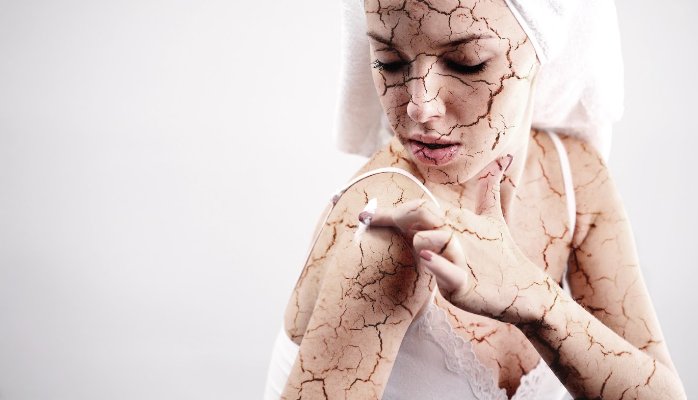
Could you Look Like ‘Yourself’ Again, if 1/3 of your Body was Badly Burned?
Could you Look Like ‘Yourself’ Again, if 1/3 of your Body was Badly Burned?
Today, it would be very difficult. A bad burn affects the integrity of the skin deep into the tissues. And, the common way to address a burn of this type would be to take skin from another part of your body and move it, or graft it, to the burnt area. However, if too much of your skin was burnt, that would not be possible.
A burn affects the epidermis, or the outer layer of the skin, but a bad burn also affects the dermis, i.e., the thick layer of living tissue which is just below the epidermis. The dermis contains many critical elements, e.g., capillaries to transport blood, nerve endings, hair follicles and other structures.
Traumatic burn injuries lead to a loss of integrity in the skin, which is important because our skin protects us from temperature change, radiation, infection and other traumas. In adults, the repair of massive full-thickness burns which penetrate both layers of the skin, the epidermis and the dermis, result in scarring and the loss of important structures including capillaries, as well as sweat and sebaceous glands.
Full-thickness skin graft (FTSG) is typically used for reconstruction of skin injuries and burn wounds when the full thickness of the skin (dermis and epidermis) have been damaged and the burn is not large. Split-thickness skin graft (STSG) is utilized for patients with very large burn wounds because it requires quite a bit less donor skin, which can then be meshed and extended to maximize graft coverage. Flap surgery may be used if the wound bed cannot support a skin graft (e.g., exposed bone, tendon, major vessels and organs) or more complex reconstruction is needed.
FTSG and flaps are more cosmetically aesthetic because they prevent contraction and deformation. Unfortunately, STSG is less cosmetically aesthetic because of the typically poor color and texture match. It also has a higher occurrence of contraction and deformation.
Currently, flaps and skin grafts (FTSG and STSG) can only utilize the patient’s skin in the grafting procedure. Skin cannot be donated by someone else because it will be rejected by the patient’s body.
But, there is good news. Recently, great progress has been made in the research and development of artificial skin graft substitutes. Currently, the substitutes not only temporarily prevent the loss of body fluids and bacterial infection, but also achieve satisfactory repairing effects. These solutions can improve the quality of burn wound healing and reduce scar formation, rekindling the normal function of the skin.
These solutions are being created from ADULT stem cells, which are found throughout the adult body, residing in a specific area of each tissue (called a “stem cell niche”).
Are stem cells truly useful? Absolutely! First, stem cells have properties of self-renewal and tissue regeneration. Adult stem cells can produce individualized skin cells. Second, a special hormone in adult stem cells can accelerate the progress of wound healing (the paracrine effect). Finally, adult stem cells can control or suppress the immune and inflammatory responses to also promote wound healing. Put together, it has been shown that stem cells contribute to wound repair through several properties, including self-renewal, the paracrine effect and immunosuppression. Stem cell therapy looks like a promising and attractive therapeutic option for burn treatments in the future.
Currently, there are many ways to utilize stem cells, including cell suspension injection, cell sheet or tissue-engineered skin. Further clinical studies are required to determine the effectiveness of these approaches and to determine which type of stem cell is most suitable for clinical practice. But, the future definitely holds promise!
Click Links Below for Information about the SafeTEC™ Consortium to Evaluate New Technologies:
Download HERE to see the List of 15+ Technology Projects, and $3 Million Investment, for SafeTEC.
https://www.onemillionsolutionsinhealth.org/collaborate/safetech/